



The Changing Landscape of Security Deposits
Security deposits are a common and well established component of multifamily building operations. The deposit effectively serves as insurance against any damage the unit may undergo during a renter’s tenure and, in the case of jurisdictions that allow more than one month’s deposit, guaranteed access to the final month’s payment. But they also create liabilities. Security deposits need to be held in segregated accounts, the interest that accrues in those accounts belongs to the renter, and payment via check or money order can create an administrative burden.
Over the past year, legislation in states and cities around the country has changed the rules landlords need to follow and given tenants greater flexibility. These new laws address at least one of the following: limits on the number of months’ rent a security deposit can cover, how quickly a landlord must return a deposit, and whether tenants can pay in installments. In many cases, landlords with very few units (e.g., less than three) are exempted.
Recent Legislation
California Civil Code § 1950.5 (Enacted)
The California law along with similar measures in Saint Paul, Minnesota (enacted) and Connecticut (HB 691, introduced) limit security deposits to one month’s rent.
New York Assembly Bill A8078 (Introduced)
New York imposed a cap of one month’s rent. It also mandated the return of the security deposit with interest and minus any amount due to the landlord within 21 days of the end of a lease.
Philadelphia Bill 250044-A (Pending Mayor’s Signature)
If it gains final approval, the Philadelphia measure will give renters the right to pay a deposit in three equal installments.
Colorado HB 25-1249 (Enacted)
Colorado imposed a one-month cap and added installment plans.
Illinois Security Deposit Interest Act (Enacted)
Illinois requires landlords to “pay interest to the lessee on any security deposit held for six months or more … in cash or in the form of credit towards rent within 30 days after the end of each 12 month rental period at a rate equal to the interest paid by the largest commercial bank in Illinois on minimum deposit passbook savings accounts as of December 31 of the calendar year preceding the inception of the rental agreement.”
Technology Can Help
These caps and timing issues, with different rules across jurisdictions, make automation even more important. Camber Creek portfolio company Whale digitizes the security deposit, segregates funds, puts renters’ payments in interest-bearing accounts, and automates payment to renters and landlords at no cost to either. In an increasingly complex security deposit landscape, Whale provides much-needed simplicity.
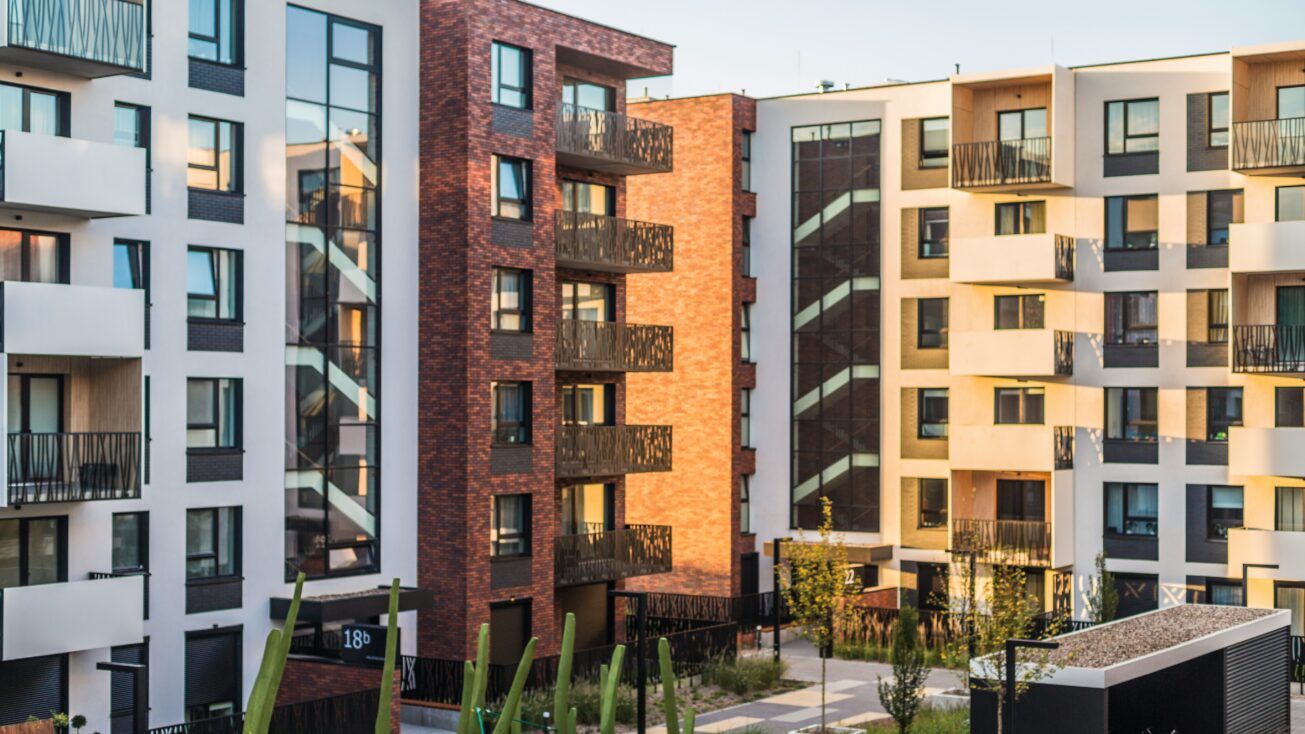
Photo by Isaac Quesada on Unsplash