



We Need a “Do-Something” Moment for Energy Affordability
This episode is about energy affordability—and why those two terms often seem to have very little to do with one another.
Right now, energy costs keep rising. In October 2025, at least four states saw utility revenue per kilowatt hour jump more than 20% year over year, and more than 10 states saw increases in the double digits. Most Americans haven’t seen headlines like this since the oil embargo during the Carter administration.
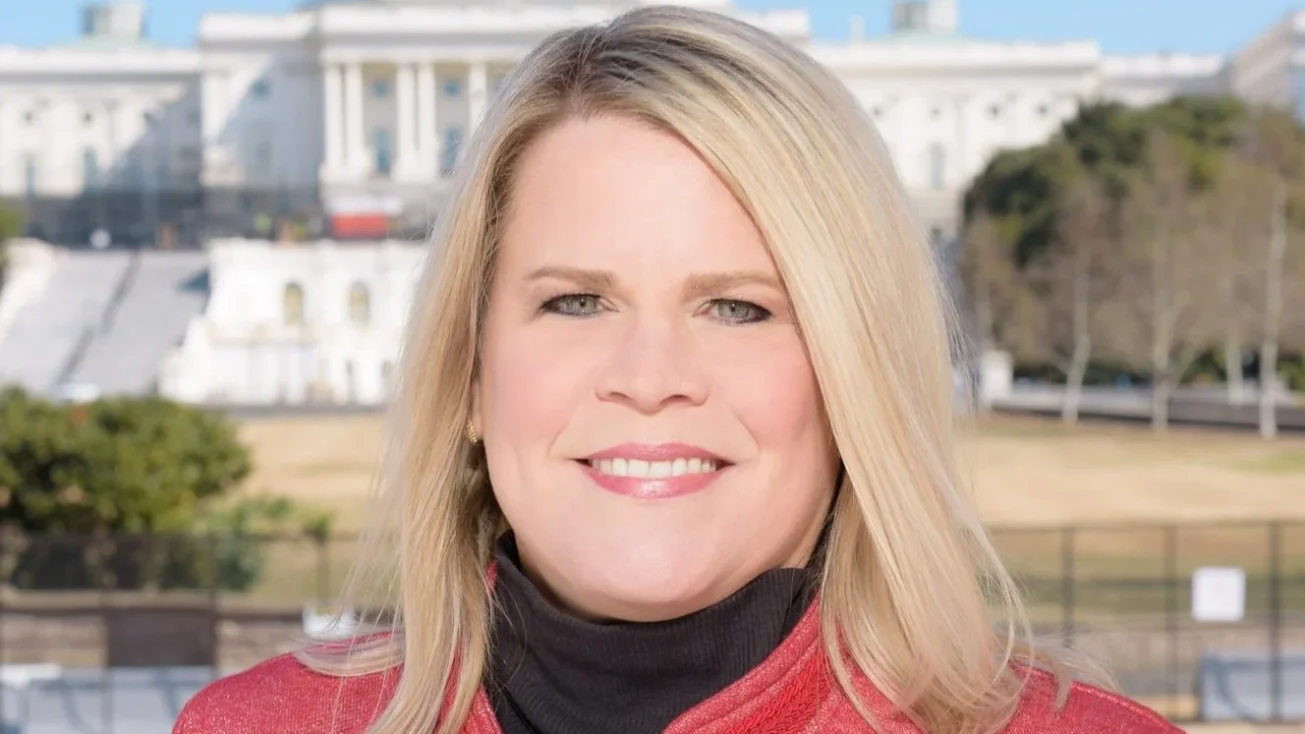
Heather Reams knows what it will take to fix this. As President and CEO of Citizens for Responsible Energy Solutions, she leads an effort to find fixes that Republicans can say yes to. She’s a Republican talking to Republicans about meeting others in the middle on issues like climate change and sustainability.
The good news is that while bipartisanship is hard, Heather has proof that compromise solutions are more durable. The bad news is that she believes we may need a “do-something moment”—an acute crisis—before there’s enough focus and political will to fix the electricity grid.
The transcript has been edited for clarity.
Lionel Foster: Heather, welcome to Catalyst. Thanks for joining.
Heather Reams: It’s great to be with you, Lionel.
Lionel Foster: This is exciting because I work in real estate technology, which is Camber Creek’s focus. People think that’s a narrow field, but the built environment touches almost everything—including energy and energy policy. When I think about people who really understand energy policy, I think of you, so I’m glad you could join us.
Heather Reams: I’m thrilled to be here. This is a great opportunity to share information with your listeners.
Lionel Foster: Let’s start with the basics. What is Citizens for Responsible Energy Solutions?
Heather Reams: It’s a mouthful, isn’t it? We go by CRES. We’re a Washington, DC–based nonprofit focused on engaging Republicans on the benefits of clean energy and climate action.
Sometimes I joke that it’s God’s work. It’s not easy. Our work includes policy efforts like permitting reform to reduce red tape so clean energy can get on the grid faster, as well as protecting tax credits that incentivize continued investment in clean energy.
We also do a lot of education: think pieces, research, and explaining incremental progress. For example, switching from coal to natural gas has significantly reduced air pollution in the US. We examine those lessons and how other countries can adopt them.
There aren’t many right-of-center organizations doing this work, so we’re often out there on our own.
Lionel Foster: Why focus specifically on Republicans?
Heather Reams: Durable policy—whether at the federal or state level—requires Republicans and Democrats working together. That’s true for climate and for most big challenges.
If only one side of the aisle owns an issue, those policies can be rolled back with the next administration. When both parties are involved, the policy lasts longer, and businesses can plan and invest with more certainty.
CRES was founded over 10 years ago, and I’ve led it for more than nine. I’ve seen real change. Republicans who once wouldn’t even say the word “climate” now do. There’s a Conservative Climate Caucus with over 70 Republican members of Congress who acknowledge climate change and see a federal role in addressing it.
A lot of our work is education, getting members comfortable enough to engage so that real policy work can begin.
Lionel Foster: At a high level, the goals may overlap with groups on the left. How does your approach differ when you talk to Republicans?
Heather Reams: Members of Congress focus heavily on their states and districts. If you represent West Virginia, coal and natural gas matter. Jobs matter.
If you approach someone from that state saying, “Coal is terrible—get rid of it,” you won’t be heard. A Republican-to-Republican conversation sounds different: acknowledging coal’s role, while discussing more efficient fuels that lower costs and improve health outcomes.
It’s about transition, not condemnation. That approach works.
You see something similar with solar in the Southeast. Many Republican lawmakers now strongly support solar because it brings jobs to their districts. Representation matters.
Lionel Foster: You often coordinate with organizations left of center. How frequently does that happen?
Heather Reams: Pretty often. Bipartisanship requires it. Sometimes we help identify Republican partners for a bill. Other times we ask partners to help identify Democrats.
It’s matchmaking. Certain members work well together based on their districts and priorities. That collaboration is essential for passing durable legislation.
Trust matters, too. Being a consistently Republican organization—endorsing Republicans and standing by them—builds credibility over time. That trust allows us to bring people to the table.
Lionel Foster: Energy affordability has become a kitchen-table issue. Costs have risen faster than inflation. How are people in your circles talking about this?
Heather Reams: Everyone feels it. Maybe you don’t notice the bill every month, but then suddenly it’s $25 higher. Energy is a major driver of broader inflation.
Demand is growing fast, especially because of AI and data centers, which require enormous amounts of energy. AI will become more efficient, but first it needs a lot of power.
The US has abundant energy resources: solar, wind, natural gas, nuclear. But moving energy from where it’s produced to where it’s needed is difficult and expensive. Transmission is a huge challenge.
We need a multifaceted approach at both the federal and state levels. AI will transform lives, from healthcare to transportation, but only if we can power it affordably and reliably.
Lionel Foster: Transmission seems to be the bottleneck. Can you envision federal action on this under a Republican administration?
Heather Reams: Transmission has been hard under both parties. Democrats with unified government couldn’t pass comprehensive transmission reform, and Republicans with unified government haven’t either.
Divided government is often when compromise happens best. Right now, debates about who pays, states’ rights versus federal authority, and local opposition make progress difficult.
Both sides will have to compromise. I worry it may take a “do-something moment”—a major blackout or crisis—to force action. That’s unfortunate, but it’s often how policy finally moves.
Lionel Foster: How does the business community fit into this conversation?
Heather Reams: Broad business groups like the US Chamber tend to be pragmatic and centrist. Industry-specific groups are more rigid—they exist to protect their sector.
We work with many associations—solar, wind, hydropower, nuclear. We advocate for an all-of-the-above approach. A diverse energy mix is what creates a stable grid.
No serious industry believes one technology should be 100% of the grid. Stability comes from balance.
Lionel Foster: What are some of CRES’s biggest accomplishments?
Heather Reams: Some of our work doesn’t make headlines. We were proud of the Bipartisan Infrastructure Act, which helped get clean energy onto the grid.
We’ve supported bipartisan legislation like the Growing Climate Solutions Act, which incentivizes farmers to sequester carbon.
More recently, we helped protect key clean-energy tax credits—even when some Republicans wanted to eliminate them—because those credits matter to their districts.
That’s the magic of the work: building coalitions where members vote for their constituents, even when it means bucking party leadership.
Lionel Foster: You’ve used the word “bipartisan” a lot. Does that mindset extend beyond work?
Heather Reams: It does. I’m a middle child, a Gen Xer, and maybe that helps. I’ve learned that you’re not always right, and the other side often has valid points.
What keeps me going is that I see progress. Climate and energy aren’t one-party issues. They’re American issues.
Republicans do care about the environment; they just approach it differently. Energy, climate, and economic policy are like a three-legged stool. You can’t remove one without the others collapsing.
I’m a happy warrior. This work is hard, but it’s worth it.
Lionel Foster: Heather, thank you so much. This was a great conversation.
Heather Reams: Thank you. I really enjoyed it.