



How Top Performers in One Field Become Owners Instead of Employees
In many industries, top performers make other people far more money than they get to keep themselves. Think about professional athletes—millionaires playing for franchises owned by billionaires.
In other fields, the value a top salesperson drives for a brand is often only a fraction of what they earn in commissions. That’s because building and running the infrastructure of a company pulls them away from what they do best.
But what if that weren’t the case? What if someone offered all that infrastructure as a service, so you could become the brand, the owner, and your own boss?
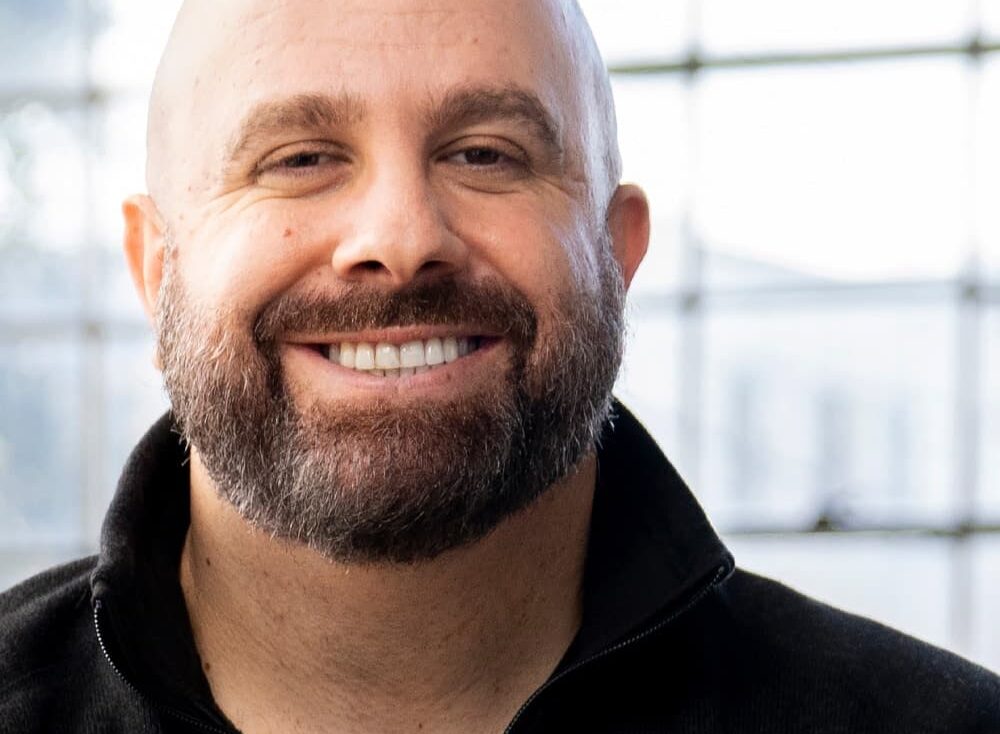
That’s what Guy Gal, Co-Founder and CEO of Side, is building for real estate agents across the country. Side handles back-office operations and partners with agents on marketing with the explicit goal of empowering agents to build and own their own brands.
It may be the largest brokerage you’ve never heard of.
Guy discussed all of this with Camber Creek General Partner Jeffrey Berman and Head of Platform Lionel Foster.
The transcript has been edited for clarity.
Lionel Foster: Guy, welcome to Catalyst. Thanks for joining us.
Guy Gal: Thank you, sir. Thanks for having me.
Lionel Foster: Are you the founder or co-founder of Side?
Guy Gal: I’m the co-founder. There are three of us who initiated this mission, and we’re still working to advance it. Today, Side is hundreds of people supporting thousands of real estate agents.
Lionel Foster: I’ve heard Side described as a $24 billion “invisible brokerage.” Let’s start there. What does that mean?
Guy Gal: I’ll start with the “invisible” part. Side is a one-of-a-kind real estate brokerage. We take full responsibility for the transaction itself, but we do it in a way where the buyer, seller, or renter doesn’t know Side is involved.
Instead, we partner with a local top-producing agent or team and create an entirely new brand together—one that’s specific to that market and designed to serve a particular segment. Side operates silently behind the scenes, doing everything a brokerage would normally do.
The agent owns the brand, owns the company, and builds an actual business asset over the course of their career.
If you’re a productive agent already working with a team, you’re effectively running a business—you just don’t own it. Owning it would normally require becoming a brokerage, which is a completely different business involving legal, compliance, auditing, and payments. That’s not what great agents want to do.
We become the invisible partner that handles that infrastructure.
Today, we support over $25 billion in annual transaction volume, which would put us roughly seventh or eighth nationally by total closings.
Lionel Foster: That’s remarkable. Jeffrey Berman is joining us as well.
Jeffrey Berman: Apologies for being late.
Lionel Foster: Right on time. Guy, as you were describing Side, I heard both creative and technical components. You help agents build brands, and you also run all the back-office operations. Can you go deeper on that?
Guy Gal: Absolutely. We work closely with agents to understand who they are—their values, motivations, and the communities they serve. We develop distinct brands that are deeply focused on those local markets, rather than one-size-fits-all corporate brands.
There’s real power in being boutique. Historically, being boutique meant being isolated. Today, it means being networked—part of a community of like-minded professionals.
On the operations side, Side provides up to sixteen hours a day of support for anything transaction-related: legal questions, compliance, deal execution, forms—everything. That’s our success enablement practice.
At the core of Side, though, is our proprietary technology. We’ve virtualized the entire transaction conveyance process—moving title and money from buyer to seller in the smoothest, fastest, most organized way possible.
For traditional brokerages, this process is a cost center, so they’re constantly cutting staff and support. For Side, it’s our profit center. It’s our AWS [Amazon Web Services] or Shopify—a brokerage operating system in your pocket.
Because of that, we operate at nearly 70% gross margin on a net basis.
Jeffrey Berman: We’ll definitely come back to margins and valuation. But first, how quickly can an agent move from a traditional brokerage to launching their own brand with Side?
Guy Gal: Timing depends on the state. In California, getting regulatory approval can take two to three months. In Texas, it can take a day. Operationally, Side can set up branding, data migration, and systems in four to six weeks. The regulatory piece is what varies.
On cost, we don’t compete on being the cheapest. We’re more like Shopify. We don’t provide brick-and-mortar offices. Agents decide whether they want physical space or to run fully virtual.
In New York, for example, we’re less than half the cost of traditional brokerages. Most agents reinvest the savings into marketing, team growth, and opportunity creation.
That value shows up in our churn profile. Our agreements are fully at-will. We can be fired at any time. Despite that, churn is extremely low because the value is real.
Jeffrey Berman: Would you say the primary value is ownership—or is it the tech stack?
Guy Gal: It’s both. The first innovation is the business model. Agents already operate businesses, carry risk, and generate value, but don’t own the equity. Side allows them to own what they’re already building.
The second innovation is technology. We don’t build marketing tools or CRMs. Those already exist and are better handled by specialists. We integrate best-in-class third-party tools.
Our proprietary technology lives in the space between brokerage and agent—the transaction itself. That’s where agents spend most of their time, and it’s where the industry has failed to innovate.
Because transactions originate inside our system, we can auto-populate documents, manage compliance, and close deals efficiently. Over 90% of transactions result in same-day commission payouts at close of escrow.
Jeffrey Berman: Same-day payouts?
Guy Gal: Over 90% of the time. Because we’re involved from the beginning, we’re not chasing paperwork at the end and delaying escrow.
Agents used to travel with laptops everywhere. Now they submit offers from their phones. Soon, they’ll be able to dictate contract amendments by voice while driving.
Jeffrey Berman: That’s extraordinary. The transfer of the property being faster with Side—this is something I didn’t know, and full disclosure: I’m an investor. I did not know this.
Guy Gal: It’s already changed how people live their lives. One of our first partners submitted an offer from her phone while standing in line at Legoland with her kids. That’s the standard now.
Lionel Foster: Let’s talk churn. Why would someone ever leave Side?
Guy Gal: Industry-wide, top-agent churn is around 25% annually. For rank-and-file agents, it’s closer to 40%. Side’s churn is about 4%.
When partners leave, it’s usually for one of two reasons. First, they’re bought out—sometimes for millions of dollars. That’s a success case, and we celebrate it.
Second, they realize they’re not entrepreneurial. Side is for people who want ownership. Some people want a job, structure, and conformity. That’s fine—but it’s not Side.
Interestingly, the most common reason people return to Side after leaving is pressure from their operations staff, who refuse to go back to old transaction systems.
Jeffrey Berman: Let’s zoom out. How do you think about exit, valuation, and the public markets?
Guy Gal: If Side ever IPOs, our comps are not brokerages like Compass or Douglas Elliman. We’re a real estate technology company providing brokerage-as-a-service.
Brokerage at Side is a department, not the company. We’re infrastructure—Shopify or AWS for real estate. That’s why our accounting is based on net revenue, not gross commissions. That treatment comes from our auditors, not marketing spin.
Lionel Foster: That distinction matters.
Guy Gal: It’s the business model. We aggregate transaction volume horizontally, without owning the brands. That allows us to scale profitably.
Jeffrey Berman: Final question. What does the industry look like in ten years?
Guy Gal: The industry wants to preserve part-time agency, because that’s profitable for large brokerages. Side wants the opposite.
We believe the future is fewer agents doing more deals—experienced professionals serving consumers better. That doesn’t mean shutting people out; it means changing the path. Apprenticeship, mentorship, professionalism.
Recent commission lawsuits will accelerate this shift. They make it harder for part-timers to operate and raise standards across the industry.
If I get my way, ten years from now there are far fewer agents, far more ownership, and far more excellence.
Lionel Foster: Guy, thank you. This was an extraordinary conversation.
Guy Gal: Thank you. I appreciate the thoughtful questions.