



One of the Best Financial Tools Too Few People Are Using
A 529 plan is one of the best financial tools that too few people are using. If you’ve heard of them, then you know they can help families save for children’s higher education. But did you know adults can use them too, that they can cover some K-12 expenses, study abroad, student loans, and support people with disabilities? These incredibly versatile accounts are, sadly, woefully underutilized. That’s in part because finding the best plan for your circumstances can be a pain.
In true entrepreneurial fashion, Yosh Miller set out to change this. His company Hadley wants to make 529s as ubiquitous as 401ks. But as you will hear, the bureaucracy and perverse incentives he has to navigate are astounding.
The transcript has been edited for clarity.
Lionel Foster: Alright, thanks so much for making time. Let me give a bit of background, because how we met and how we ended up here is pretty interesting.
I’m a geek for certain things. I’m an enthusiast by nature. One of the things I became extremely enthusiastic about several years ago was 529 college savings plans. It makes sense that I live in DC, because someone who geeks out about something like that probably belongs in the policy capital of the world.
This was back in 2019. I was working at the Urban Institute, running communications for the Urban-Brookings Tax Policy Center. I had a colleague, Renu Zaretsky, who wrote a blog post about 529 plans. I’d heard of them before, but she broke them down in real detail and explained just how generous the tax treatment really is.
At the time, I was also in law school, working nearly full-time while studying. My life was pretty insane. But when she described how generous the tax and investment treatment of 529 plans is, I had two immediate thoughts. First, I need these for my nieces and nephews. Second, I should open one for myself, because this can help me finish paying for law school.
In one of our previous conversations, you said something that stuck with me: you want to make 529 plans as well known as 401(k)s. They should be a household name. So with that, take it away, Yosh.
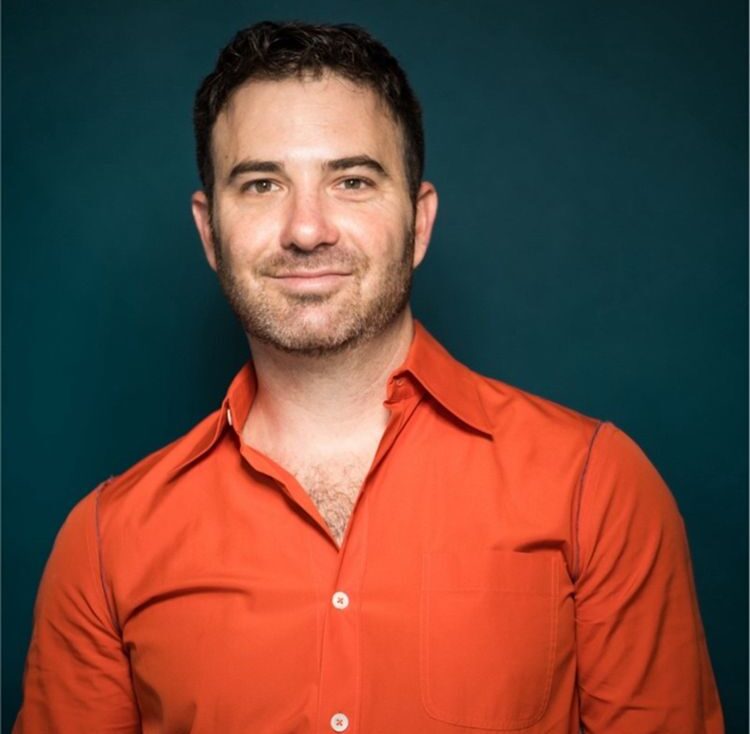
Yosh Miller: Thank you for that setup, and thanks for having me. My name is Yosh Miller. I’m on LinkedIn and Instagram and all of that.
There’s a certain type of American who, once they understand how good 529s are, becomes completely obsessed with them. I’ve heard them called the best deal in the tax code, and honestly, they are—for every American.
We’ll go into a lot of detail, but at a high level, 529s have the same economic properties as a Roth. You put money in, it compounds tax-free, and when you take the money out, it’s tax-free.
We’ve all heard of Roth IRAs and 401(k)s. With a Roth, you have to be under a certain income level to participate, because it’s so tax-advantaged. You can only put in about $7,000 or $7,500 per year. But those same economic properties exist in a 529—and 529s have an extra sweetener.
In most states, when you put money into a 529, you can deduct that contribution from your state income taxes. And unlike Roths, there’s no income limit. Every American, at every income level, can participate.
So you start thinking: wait a second. Roths are so good that only some people can use them, but everyone can use a 529? That feels out of whack—and it is.
Lionel Foster: Mm-hmm.
Yosh Miller: And yet, most Americans don’t know about them. If you go out on the street and ask people whether they’ve heard of a 529, seven in ten will say no. And the three who say yes will usually say, “Isn’t that the thing for saving for college for kids?”
That framing is outdated. These started in the ’90s as college savings accounts, but every presidential administration—left, right, and center—has expanded what 529s can be used for.
Today, you can use them for K-12 education; graduate school; law school; vocational training; trade school; student loan repayment; disability-related expenses, including healthcare; professional certifications; career licensing; and even retirement.
Lionel Foster: Wait—did you just say healthcare?
Yosh Miller: Yes. For people with disabilities, there are 529 ABLE accounts. ABLE stands for “A Better Life Experience.” If you’re diagnosed with a disability by a certain age, you can use these accounts for healthcare, assistive technology, transportation, and other related costs. The money compounds tax-free, and withdrawals are tax-free.
That’s where this became deeply personal for me.
I was working in media and entertainment. I had my dream job—working at a company that owned Billboard, The Hollywood Reporter, and major film and TV studios. And then my sister told me she didn’t want toys for my niece Hadley’s birthday. She said, “Just Venmo me.”
That didn’t sit right with me. I had tried to research 529s years earlier for her older sister, Milo, and it was incredibly confusing. Are these state-run programs? Can you only use them for schools in that state? Are they Vanguard or Fidelity products? Why is this so hard?
Lionel Foster: Right, because you have to pick a state, but the tax benefits depend on where you live.
Yosh Miller: Exactly. Every state sponsors a 529 plan, but any American can enroll in any state’s plan. In some states, you only get the tax deduction if you use your home state’s plan. In others—called tax parity states—you can use any plan and still get the deduction.
But most Americans don’t know that. And what’s really messed up is that program managers aggressively market their plans in states where residents should actually be using their home state’s plan. People get steered into higher-fee plans, lose tax deductions, and don’t even realize it.
That’s when I realized something was fundamentally broken.
Lionel Foster: So you ran into this as a consumer and then decided to fix the system.
Yosh Miller: Yes, but I didn’t plan to be a founder. I didn’t get an MBA. I never dreamed of being a CEO. I thought I’d be a chief of staff at a large organization.
But this became my therapy during a very polarized time. I figured out the best plan for my family, then started calling friends across the country telling them what they should do. I became an evangelist.
And then I learned something disturbing: the wealthiest 5% of Americans overwhelmingly benefit from 529s. Lower- and middle-income Americans—the people these plans were designed to help—often don’t even know they exist.
That’s because 529s are opt-in and confusing. There are no payment rails for employers, friends, or family to contribute easily. Parents often don’t open accounts until a child is seven years old, missing years of compounding.
I thought: what if everyone could open the right account in under a minute and start receiving contributions immediately?
Lionel Foster: That’s essentially what Hadley does.
Yosh Miller: Exactly. We launched Hadley in 2022. The idea is simple: give people a way to find the best plan for them, link existing accounts, receive contributions from friends and family, and even integrate payroll.
Instead of buying plastic toys that end up in landfills, you can give a 529 contribution. You save time, avoid sales tax, and often get a tax deduction. Everyone wins.
I went to state treasurers and learned I had to become a registered investment advisor just to tell people which plans were best. So I did. And then I was told I could only work with them if I routed people into high-fee advisor plans that even they wouldn’t use for their own families.
That’s when I said no.
Lionel Foster: Wow.
Yosh Miller: Combine that with the fact that people with disabilities are being denied access to tools that could materially improve their lives, and I couldn’t walk away.
Hadley now allows employers to offer 529s as a benefit, just like a 401(k). It works especially well for multi-state employers. Employees can link accounts, contribute via payroll, and invite friends and family to participate.
We’ve seen the highest adoption through workplace info sessions—not churches, not community centers, but employers.
Lionel Foster: So where is the business now?
Yosh Miller: We’re moving forward deliberately. The sales cycle can be long, especially with large employers, but smaller companies move faster. We’re listening closely to the market.
We’re also expanding into areas like scholarships. If scholarships are paid as 529 contributions instead of direct aid, they don’t displace financial aid. That’s a huge opportunity.
My guiding principle comes from Ambassador Andrew Young: find the friend in the room. You don’t convince everyone—but you find the person who says, “I needed this yesterday.”
Lionel Foster: That resonates. And that’s actually how we met—through a LinkedIn post where I admitted I’m the guy at dinner parties who asks strangers if they have a 529.
Yosh Miller: Exactly. People who get it get really excited. It’s contagious. They ask, “Why isn’t everyone talking about this?”
That’s why Hadley exists—to make something incredibly powerful simple, human, and accessible.
Lionel Foster: Yosh, you have a big heart and a big brain, and you’re putting both to work. Thank you.
Yosh Miller: Thank you so much for having me.