



Why Energy Costs are Rising and What Real Estate Owners Can Do About It
A combination of aging energy infrastructure, climate change, and increasing demand is pushing energy prices higher, affecting the cost of real estate operations and construction.
Impact on Cost of Real Estate Operations
Utilities contribute substantially to the costs of real estate operations. In multifamily, for example, they can account for 15% to 20% of operating expenses, according to an analysis by Trepp. The average US household pays more than $4,500 annually for essential utilities (electricity, natural gas, water, and sewer) with electricity the largest proportion of that amount.
Cost Increases
Nationally, the average cost of energy per kilowatt hour rose 29% between 2019 and 2024, sometimes at more than twice the rate of overall inflation. There are regional variations. California, for example, is a standout for its high energy-cost growth.
Demand Charges
Most electricity rate payers are charged according to total monthly usage. But some utilities also impose demand charges, a fee based on the maximum amount of energy flowing through a meter in as little as a fifteen-minute window. This can affect everyone from residential to industrial customers and make up a disproportionate percentage of the bill for larger energy users. So the financial incentive to reduce peak energy usage is significant.
Reasons for Price Increases
There are several contributing factors.
Electrification – As heating and transportation systems shift from combustion to electric power sources, this puts upward pressure on demand.
Other sources of demand – Data centers could consume 9% of US electricity generation by 2030 — double the amount consumed today. Energy-intensive artificial intelligence computing processes are part of this equation.
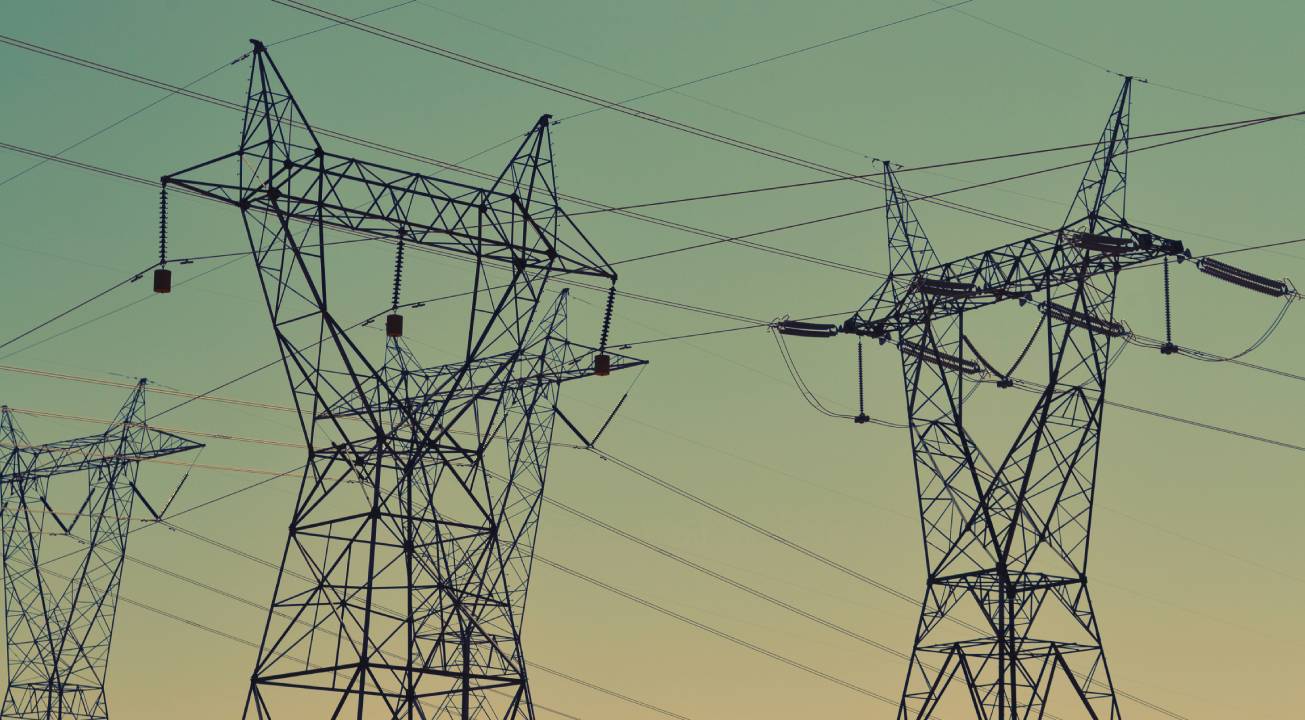
Transmission bottlenecks – It’s not just about energy production. In many instances, the current infrastructure cannot deliver available energy when it is needed. Approximately 60% of transmission and distribution lines are at or past their useful life. Maintaining and improving these systems is costly, and those costs are passed on to consumers. Between 2016 and 2023, capital investment by investor-owned utilities grew from $53 billion to $87 billion, a 64% increase. Outfitting the grid so that it can incorporate renewable energy sources is part of utilities’ increasing capital budgets. The transmission bottleneck influences location decisions of commercial and industrial facilities as utilities may pass on some of the cost of transmission buildout to a prospective owner and add their project to a yearslong waitlist.
Weather events – Finally, severe weather, made increasingly disruptive by climate change, causes most power outages and increases maintenance and build-out costs.
Cost Savings
Against this backdrop, the need and potential for cost reductions is big. Energy-efficient homes can cut energy use per square foot as much as 57%. And states with higher levels of renewable energy sources have seen lower rate increases.
Categories of Solutions
At a 30,000-foot level, there are at least two types of solutions: (1) software and hardware that help utilities increase capacity or operate more efficiently and (2) those that are much more within the control of energy users. The second category includes clean energy procurement; onsite clean energy generation and storage; tariff optimization, i.e., timing electricity usage to take advantage of lower rates; and reducing peak consumption.
Photo by Fré Sonneveld on Unsplash